TR19 explained: what every kitchen owner needs to know about insurance compliance
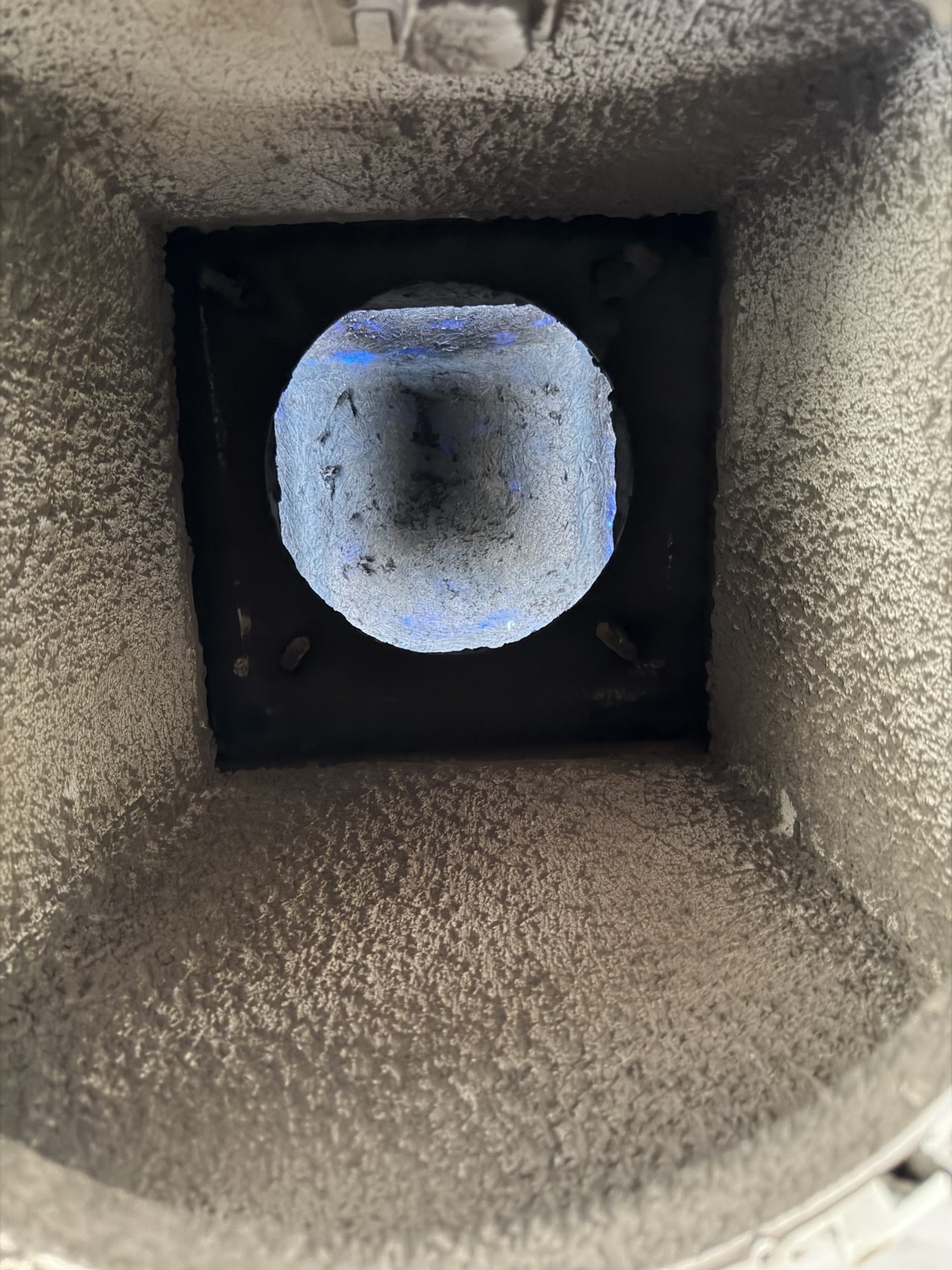
When was the last time anyone looked inside your kitchen extraction ductwork? If the honest answer is “I don’t know” — you’re not alone, and it’s exactly the kind of gap that costs operators dearly when something goes wrong.
What TR19 actually is
TR19 (now sometimes referred to as the BESA TR/19 Specification) is the industry guideline for the internal cleanliness of ventilation systems. Section 9 covers grease extract ventilation in commercial kitchens specifically — the canopies, ductwork and fan units that pull cooking residue out of your kitchen.
It’s not a law. But it is what insurers, fire safety officers and Environmental Health quote when they ask whether your system has been cleaned recently — and what they’ll point at if a claim is denied or a prosecution proceeds.
Why it matters
Three reasons most operators care:
- Fire risk. Grease build-up in ductwork is one of the most common causes of catastrophic commercial kitchen fires. Once a fire travels into the duct, it travels fast — and often into building voids you can’t reach.
- Insurance. Most commercial kitchen insurance policies now reference TR19 directly. If your insurer asks for evidence of recent compliance and you can’t provide it, that’s a problem you only discover after a claim.
- EHO scrutiny. Environmental Health inspections increasingly cover air quality and contamination risk in the food prep environment.
What a proper TR19 clean looks like
It’s not a wipe-down of the visible canopy. Done properly, it involves:
- A pre-clean inspection with photos showing the starting condition
- Access panel installation where ductwork can’t be reached otherwise
- Mechanical and manual cleaning of canopy, ductwork, and fan internals
- Post-clean inspection with photos and a signed compliance certificate
- A copy of that documentation that goes to you for your insurer
If you’re not getting that paperwork at the end, you’re not getting a TR19 clean — you’re getting a wipe-down.
How often?
It depends on use: heavy use (24/7 operations, frying-heavy kitchens) needs quarterly; light use (low-volume catering) might only need annually. We’ll assess your system and recommend a schedule that meets the spec.
Get a TR19 quote or book a free site survey — we’ll come and look at what you’ve actually got, and tell you straight.