Why your factory's annual deep clean might be saving more than you think
We’re regularly called into factories where the same conversation happens: an unplanned shutdown, an audit failure, or a near-miss has just reminded everyone that the annual deep clean isn’t actually optional. It’s the maintenance budget pretending to be a luxury.
What “deep clean” actually means in an industrial setting
It’s not a mop-and-bucket walk-around. A proper industrial deep clean covers:
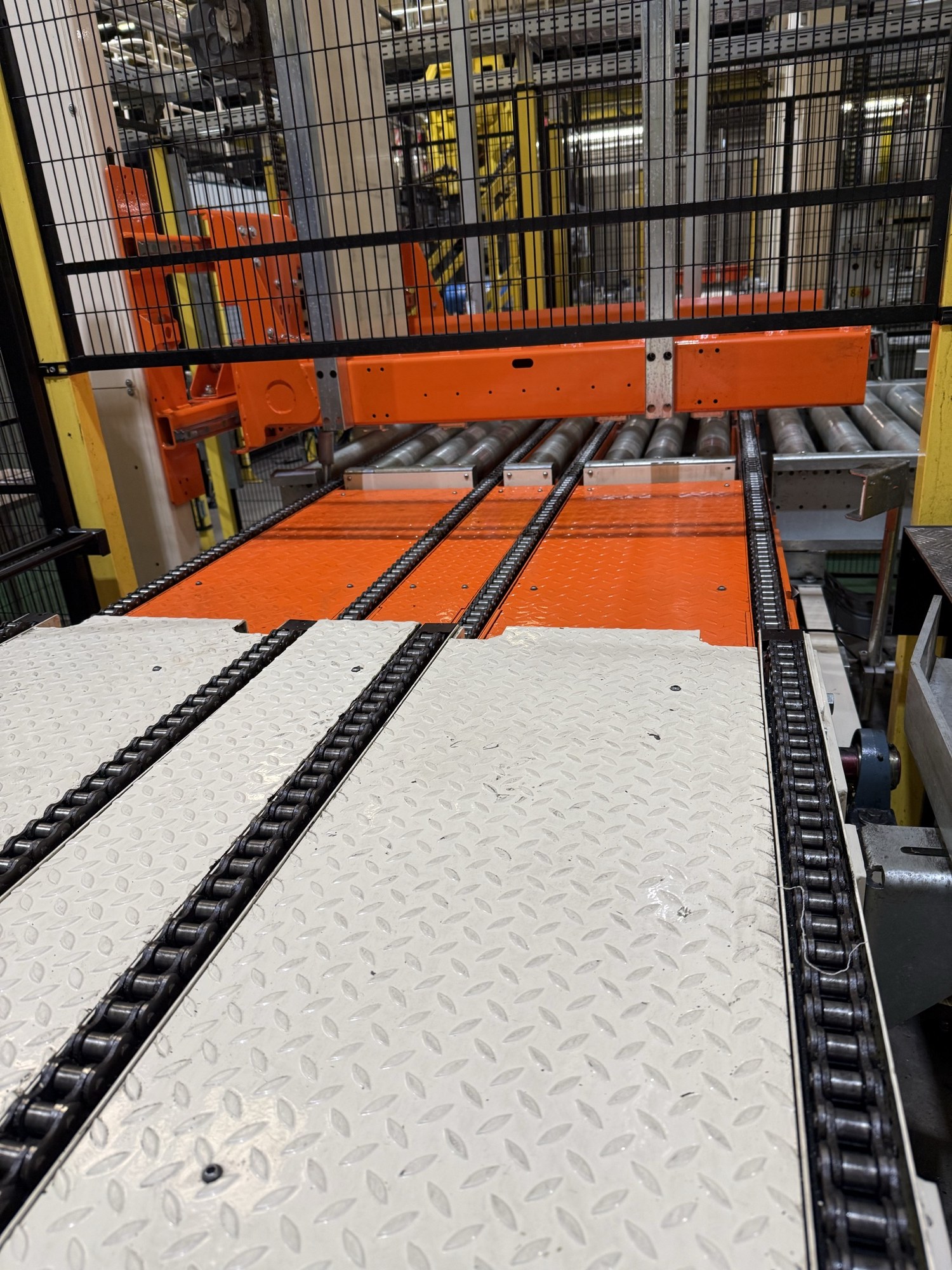
- Production lines and conveyors — stripped down, residue removed, lubrication points cleared
- Floor cleaning including expansion joints, drains, and trip-hazard build-up
- Wall cleaning to BRC / FSSC food-grade standards where relevant
- Structural steelwork and overhead utilities — often the dustiest part of any plant, and the one no-one looks at
- Welfare areas, washrooms, and locker rooms
What it actually prevents
Three categories of problems:
Operational. Build-up of process residue causes equipment to run hotter, fault more often, and need more frequent unplanned maintenance. A clean line lasts longer between failures.
Compliance. BRC audits, FSSC 22000 audits, and HSE inspections all look at the environment as well as the procedures. Dust, debris, and ingrained residue all get flagged.
Safety. Slip hazards, fire load, trip hazards, and contaminated air all reduce when the site is properly clean. None of those show up on the P&L until they cause an incident.
Scheduling it properly
The trick is doing it when production isn’t running. That usually means weekends, holiday shutdowns, or planned changeover windows. We work shifts around your operation — not the other way round — and we get out before you come back in.
Why annual isn’t always enough
For some sites, quarterly is the right cadence. Food production, heavy machining, and dusty processes all benefit from more frequent intervention. We’ll assess and recommend.
Talk to us about an industrial cleaning programme or see our industrial machine cleaning service.